SPx Kobe Bryant Cards: Which One Is the Rookie, What It’s Worth, and How to Buy Smart
If you’ve searched for “SPx Kobe Bryant card” and come away more confused than when you started, you’re not alone. There isn’t just one SPx Kobe Bryant card. There are three, spread across 1996-97, 1997-98, and 1999-00, and only one of them is an actual rookie card. Sellers on eBay routinely blur that line, which means buyers overpay for the wrong card more often than you’d think.
This guide sorts out which SPx card is which, what each one sells for right now, why some copies bring ten times more than others, and how to buy or sell one without getting stuck with a fake or an overgraded copy.
Quick answer: The true rookie-year SPx Kobe Bryant card is the 1996-97 Upper Deck SPx die cut, card #SPX22. Raw copies typically sell in the $100 to $250 range, PSA 9 copies often land between $700 and $1,400, and PSA 10 gem mints have sold north of $2,000, with rare Gold parallels reaching into the $4,000-plus range. The later 1997-98 and 1999-00 SPx cards are not rookies and sell for far less in most grades, though a handful of scarce parallels buck that trend.


#Paid Links
Top 1 SPx Kobe Bryant Card
- 2006 SPx Basketball Card (2006-07) #39 Kobe Bryant
1. 2006 SPx Basketball Card (2006-07) #39 Kobe Bryant
#Paid Links
This 2006 SPx Basketball Card (2006-07) #39 featuring Kobe Bryant is a collectible piece from Upper Deck’s respected SPx basketball card line.
The card comes in near mint/mint condition, with grading provided directly by the seller, giving buyers a clear idea of its quality before purchase.
It is not autographed, and it carries card number 39 from the 2006-07 SPx Kobe Bryant release, one of several years collectors search for when looking through Upper Deck SPx Kobe Bryant cards.
Priced at $13.99, this card offers an accessible entry point for fans and collectors who want an NBA collectible tied to Kobe Bryant’s legacy without paying premium prices often seen on rarer SPx Kobe Bryant rookie cards.
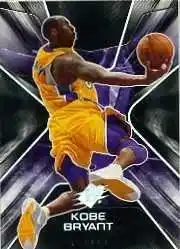
Image Credit: amazon.com
Key Features
- Card Number: #39
- Year: 2006 (2006-07 SPx Basketball release)
- Athlete Name: Kobe Bryant
- League: NBA
- Manufacturer: Upper Deck
- Brand: SPx Basketball Card (2006-07)
- Grade Rating: Near Mint/Mint
- Grading Provided By: Seller
- Autographed: No
- Price: $13.99
| Pros | Cons |
|---|---|
| Affordable price point compared to other SPx Kobe Bryant cards | Not autographed |
| Near mint/mint condition rating | Grading provided by seller, not a third-party grading company |
| Manufactured by trusted brand Upper Deck | |
| Clear card details including year, number, and league | |
| Good option for collectible cards enthusiasts building a Kobe Bryant collection |
My Opinion
I like this card because it feels like a practical way to own a piece of Kobe Bryant basketball history without stretching the budget.
The 2006 SPx Kobe Bryant card sits at a price point that makes sense for someone building a collection rather than chasing a single expensive rookie card.
I also appreciate that the condition is clearly listed as near mint/mint, since that kind of detail matters a lot when buying collectible cards online.
It is not autographed, so I would not expect it to compete with signed pieces, but as a straightforward SPx Kobe Bryant card for sale, it fits well for someone who wants Upper Deck quality tied to an NBA legend at a fair price.
What Is an SPx Kobe Bryant Card, Exactly?
SPx was a premium Upper Deck basketball brand that launched for the 1996-97 season. It stood out from typical cardboard because every card used a die cut shape and an embedded hologram on the front, which made the cards feel closer to a collectible than a standard trading card. Upper Deck kept the SPx name going for several more years, releasing new basketball sets under that brand in 1997-98 and again in 1999-00.
Kobe Bryant appears in all three of those releases, which is exactly why the search results are so muddled. Each set has a different card number, a different design, and a very different price ceiling.
The Three SPx Kobe Bryant Card Releases (And Why People Mix Them Up)
1996-97 SPx: The Rookie Year Card
This is the one collectors mean when they say “the SPx Kobe rookie.” It’s card #SPX22 (sometimes listed as #22), and it’s part of Kobe’s rookie class alongside his Topps, Topps Chrome, Fleer, Skybox, and Upper Deck base rookies. The card features a die cut hologram design that was genuinely innovative for 1996, and it holds up as one of the more visually striking Kobe rookies on the market.
There’s also a Gold parallel of this die cut, which is scarcer and sells for a real premium over the base version. Some listings label the Gold version with the same #22 number, so always check the parallel/variety field before you buy, not just the card number.
1997-98 SPx: The Second-Year Card
Upper Deck reused the SPx name a year later for a full new basketball set, and Kobe’s card in that release is #21. This is a second-year card, not a rookie, and PSA’s own set data confirms it. It uses a similar hologram die cut look but is a completely different photo and design from the 1996-97 card. It also has its own Gold Die-Cut parallel, tracked separately by grading services.
Because both the 1996-97 and 1997-98 cards say “SPx” and both use hologram die cut designs, they get confused constantly in casual listings. If a listing doesn’t clearly say “1996-97” or show card #SPX22, assume it’s the less valuable second-year card until proven otherwise.
1999-00 SPx: The Third Set
By 1999-00, SPx had shifted to a new card design, still premium, but no longer using the same die cut hologram look from a couple of years earlier. Kobe’s card here is #37. It’s a fourth-year Kobe card at this point (he entered the league in 1996-97), and it carries a lower baseline value than either of the earlier two SPx releases, with one notable exception: this set’s rare Radiance parallel, numbered to a very limited print run, can bring surprising money in high grades because so few copies exist.
SPx Kobe Bryant Card Values by Year and Grade
Prices on 1990s inserts move constantly based on recent sales, so treat the numbers below as a snapshot rather than a fixed price list. They reflect recent PSA and eBay sales data at the time this guide was written, and grade-9 and grade-10 sales are far less frequent than raw or mid-grade sales, so a single high sale can swing the average.
Comparison Table
| Card | Card Number | Rookie Card? | Raw / Ungraded | PSA 8 | PSA 9 | PSA 10 |
|---|---|---|---|---|---|---|
| 1996-97 SPx Die Cut | #SPX22 | Yes | ~$100-$250 | ~$300-$500 | ~$700-$1,400 | $2,000+ |
| 1996-97 SPx Die Cut Gold | #SPX22 (Gold) | Yes | Rare to find raw | Rare | Rare | $4,000+ |
| 1997-98 SPx | #21 | No | ~$40-$70 | ~$50-$80 | ~$150-$300 | ~$1,000-$1,400 |
| 1999-00 SPx | #37 | No | ~$25-$50 | ~$50-$80 | ~$80-$140 | ~$700-$1,200 |
| 1999-00 SPx Radiance parallel | #37 (Radiance) | No | Extremely rare | $1,000+ | N/A | N/A |
Key takeaway: Grade matters more than almost anything else on these cards. A PSA 10 of the 1996-97 rookie die cut can sell for eight to fifteen times what a raw copy brings, and the jump from PSA 9 to PSA 10 alone can double or triple the price because so few copies grade out perfectly.
What Makes an SPx Kobe Bryant Card Rare
Three factors drive rarity on these cards, and they don’t all point the same direction.
Card year. The 1996-97 rookie card carries built-in demand that the later years simply can’t match, since rookie cards anchor almost every serious basketball collection.
Parallel type. Both the 1996-97 and 1997-98 SPx sets have Gold Die-Cut parallels, and the 1999-00 set has the short-printed Radiance parallel. Parallels were produced in far smaller numbers than the base cards, which is why a common-looking 1999-00 base card can be worth thirty dollars while its Radiance parallel brings thousands.
Grade. Die cut cards are notoriously hard to grade high. The embossed edges and hologram surface are prone to chipping, scratching, and centering issues straight out of the pack, which keeps PSA 10 populations low across all three SPx years.
Population Reports Explained
A population report, run by grading companies like PSA, shows exactly how many copies of a card have been graded at each level. A “low pop” 1996-97 SPx die cut in PSA 10 with only a handful of copies at that grade will command a real premium over a card where dozens exist. Before you buy a graded card, it’s worth a quick look at the grading company’s population tool to see how many copies share that exact grade. It’s one of the fastest ways to tell a genuinely scarce card from one that’s simply marketed as rare.
Is the SPx Kobe Bryant Card Worth Grading?
It depends entirely on the card’s current condition and which SPx year you have.
Grade it if: you have a 1996-97 SPx die cut in sharp condition, since the jump from raw to even a PSA 8 or 9 can multiply the value several times over, easily covering grading fees.
Think twice if: you have a 1997-98 or 1999-00 base SPx card with visible wear, since grading fees can approach or exceed what a low-graded copy would sell for.
Always grade if: you suspect you have a Gold Die-Cut or Radiance parallel. These are scarce enough that even a mid-tier grade adds meaningful value, and an authenticated grade also protects you from counterfeit disputes when you go to sell.
A simple rule of thumb: if the estimated ungraded value is under $30 to $40, grading rarely pays off unless you already suspect a parallel or a near-perfect surface.
How to Buy an SPx Kobe Bryant Card Without Getting Burned
Spotting Fakes and Trimmed Cards
Die cut and hologram cards from this era are among the more commonly faked 1990s inserts, mainly because the hologram foil is relatively easy to replicate with modern printing. A few practical checks before you buy:
- Compare the card number and set year against the seller’s photos, not just the title. Titles get copy-pasted between years constantly.
- Look closely at the die cut edges. Trimmed cards (cut down to fake sharper corners) often show slightly uneven edges or a border that doesn’t match the manufacturer’s original die pattern.
- Ask for a raw scan under good lighting if buying an ungraded card for a meaningful price. Hologram reflections can hide flaws in a dim photo.
- For anything over roughly $200, favor cards already graded by PSA, BGS, or SGC. Third-party grading includes authentication, which removes most of the counterfeit risk.
Where to Buy Safely
Stick to established marketplaces with buyer protection, such as eBay (with a return policy in place), PWCC, Fanatics Collect, or Goldin Auctions for higher-end graded copies. Local card shops that specialize in vintage basketball are also a solid option if you want to inspect a card in hand before buying.
SPx Kobe Bryant Cards vs. Other 1996-97 Kobe Rookies
The 1996-97 SPx die cut is a strong rookie option, but it’s one of many. Here’s quick context for how it stacks up:
- Topps Chrome #138: Generally the most expensive mainstream Kobe rookie, prized for its refractor-style shine.
- Topps Finest #74: A close competitor to Topps Chrome, especially in Refractor form.
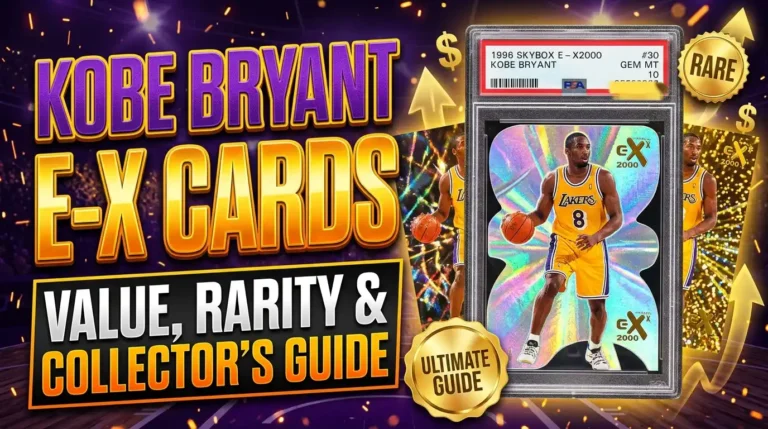
- Skybox E-X2000 #30: Known for a striking design and a print run around 499 copies, which keeps demand high.
- Upper Deck #58: The most affordable widely recognized Kobe rookie, a good entry point for new collectors.
- 1996-97 SPx die cut (#SPX22): A mid-to-upper tier rookie, valued for its early use of die cut and hologram technology, generally priced below Chrome and Finest but above the base Upper Deck and Fleer rookies.
If you’re building a Kobe rookie collection on a budget, the SPx die cut is a reasonable middle-ground pickup: rarer and more distinctive than the cheapest rookies, without reaching Topps Chrome money.
You May Also Like to Read:
- Topps Chrome Kobe Bryant Cards: The Complete Value and Collector’s Guide
- Authentic Autographed Kobe Bryant Jersey: What It’s Really Worth (and How to Buy One Safely)
FAQs
Is the SPx Kobe Bryant card a rookie card?
Only the 1996-97 Upper Deck SPx die cut (#SPX22) is a rookie card. The 1997-98 (#21) and 1999-00 (#37) SPx cards are second-year and later cards, not rookies.
How much is a 1996-97 SPx Kobe Bryant rookie card worth?
Raw copies generally sell in the $100 to $250 range, PSA 9 copies often bring $700 to $1,400, and PSA 10 gem mints have sold for $2,000 or more, with the rare Gold parallel reaching well above that.
What’s the difference between SPx and SP Kobe Bryant cards?
SP and SPx were separate Upper Deck brands released the same year. SP was a standard premium card, while SPx used the die cut hologram design. Kobe has rookie cards in both.
Why are there multiple SPx Kobe Bryant cards?
Upper Deck reused the SPx brand name for new basketball sets in 1997-98 and 1999-00, each featuring a new Kobe card with its own design and card number.
Is the 1999-00 SPx Kobe Bryant card worth anything?
The base card typically sells for modest amounts even in high grades, but the short-printed Radiance parallel is genuinely scarce and can sell for well over $1,000 even at moderate grades.
Should I get my SPx Kobe Bryant card graded?
If it’s the 1996-97 rookie die cut and appears to be in sharp condition, grading is usually worth it. For later, lower-value base cards, weigh the grading cost against the card’s likely graded value first.
How can I tell if my SPx Kobe Bryant card is real?
Check the card number against the correct year, examine the die cut edges for uneven trimming, and compare the hologram against verified photos from PSA or a reputable seller. When in doubt, have it authenticated by a grading company.
What does “die cut” mean on a trading card?
It means the card isn’t a standard rectangle. Part of the card stock is cut away or shaped, which was a premium design feature Upper Deck used across several 1990s brands, including SPx.
Where can I check current SPx Kobe Bryant card prices?
PSA’s auction price tool and sites that track eBay sold listings both show recent sale prices by grade, which is more reliable than asking prices on active listings.
Are SPx Kobe Bryant cards a good investment?
Vintage Kobe cards have shown strong long-term demand since his passing in 2020, but like any collectible, prices can be volatile in the short term. Treat this as a collecting decision first and a financial one second, and never buy more than you’re comfortable holding regardless of price movement.
What’s the rarest SPx Kobe Bryant card?
The 1996-97 SPx Gold Die-Cut parallel and the 1999-00 SPx Radiance parallel are the scarcest versions across the three sets, based on how infrequently they appear in graded population reports and sale listings.
Can I find SPx Kobe Bryant cards in card shops?
Occasionally, especially for the more common base versions from 1997-98 and 1999-00. The rarer 1996-97 rookie and parallel versions are more commonly found through specialized dealers, auction houses, and online marketplaces.
One Comment